Don’t Turn Away: Attempt the Politics You Really Want

(Everyday Bravery, Day 12)

I understand why people want to be done with this thing.

I understand why I’m seeing person after person complain on-line and in-person that they wish people would just stop talking about it. They want their Facebook newsfeeds to return to kids and puppy dogs. They want politics to stop encroaching on their neighborly conversations.

I get it.

But honestly, I don’t think we deserve that. I think we deserve to feel uncomfortable right now.

I don’t mean that as some sort of a punishment, some sort of Catholic guilt thing. (And I should probably find a better word for what I mean than “deserve.”) I just think that we should be present. We should inhabit the time in which we live. We should be attuned to the reality of our day, and today’s reality is uncomfortable.

Read the rest at the Catholic Review.

the-space-between-dont-turn-away

~~~

This post is the twelfth in a series called Everyday Bravery: A Write 31 Days Challenge. Every day this month I’m publishing a blog post on Everyday bravery – not the heroic kind, not the kind that involves running into a burning building or overcoming some incredible hardship. Rather, the kinds of bravery that you and I can undertake in our real, regular lives. To see the full list of posts in the series, please check out its introduction.

These Walls - Everyday Bravery

~~~

Interested in coming along with me as I share stories about my family and chew on the topics of motherhood, politics, and society? Like These Walls on Facebook or follow the blog via email. (Click the link on the sidebar to the right.) You can also follow me on Twitter and Instagram and you can find me at my politics blog at the Catholic Review, called The Space Between.

Snapshot (Not) Saturday: Fits and Spurts

(Everyday Bravery, Day 11)

What was that about blogging every day this month?

Sheesh. By now I’ve lost count of how many days behind I am. Part of me feels guilty about this failure but the rest of me just throws my hands in the air and sighs and acknowledges that I’m not physically capable of every day blogging. At least not until I can get a nanny. (Ha!)

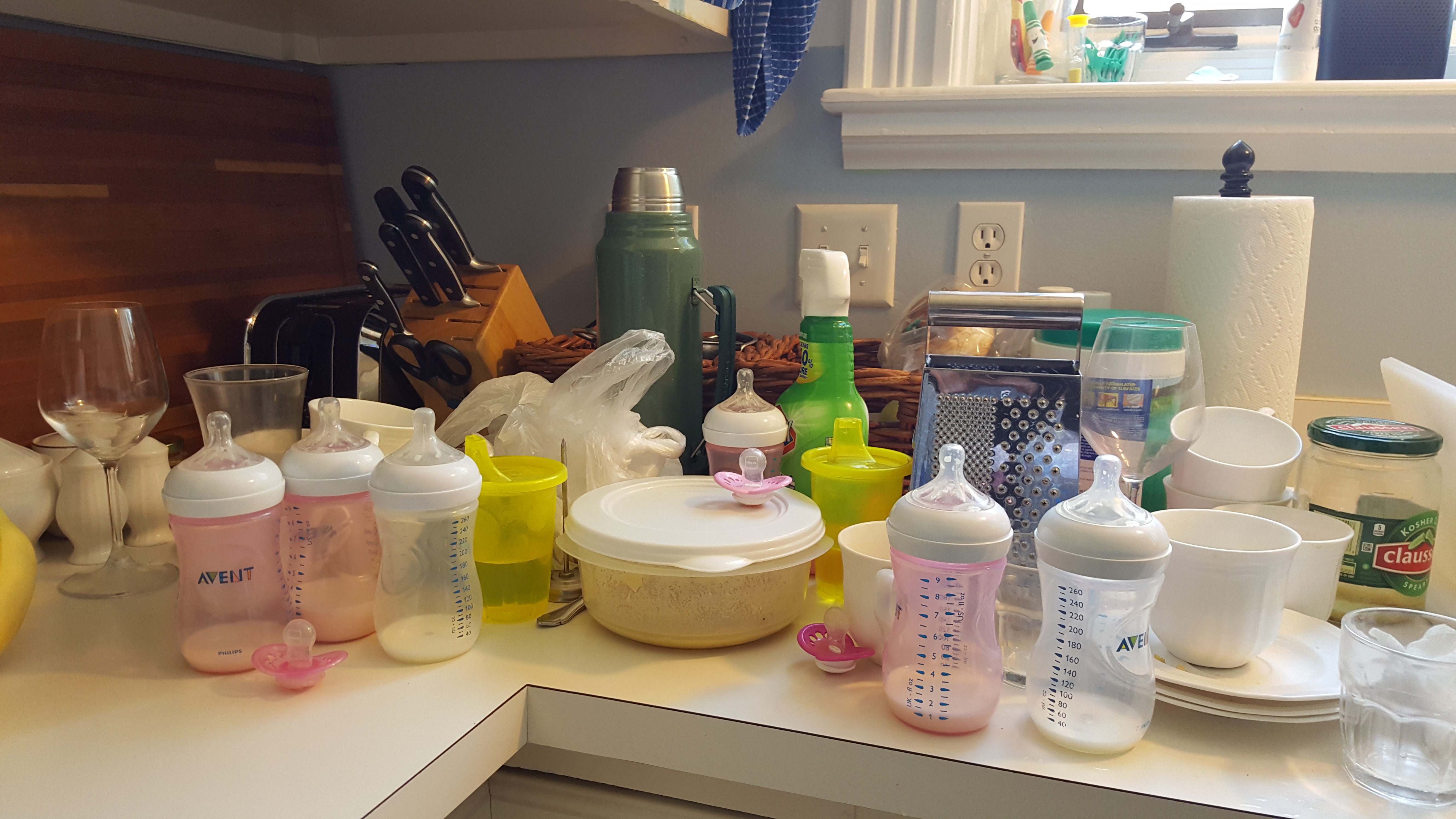
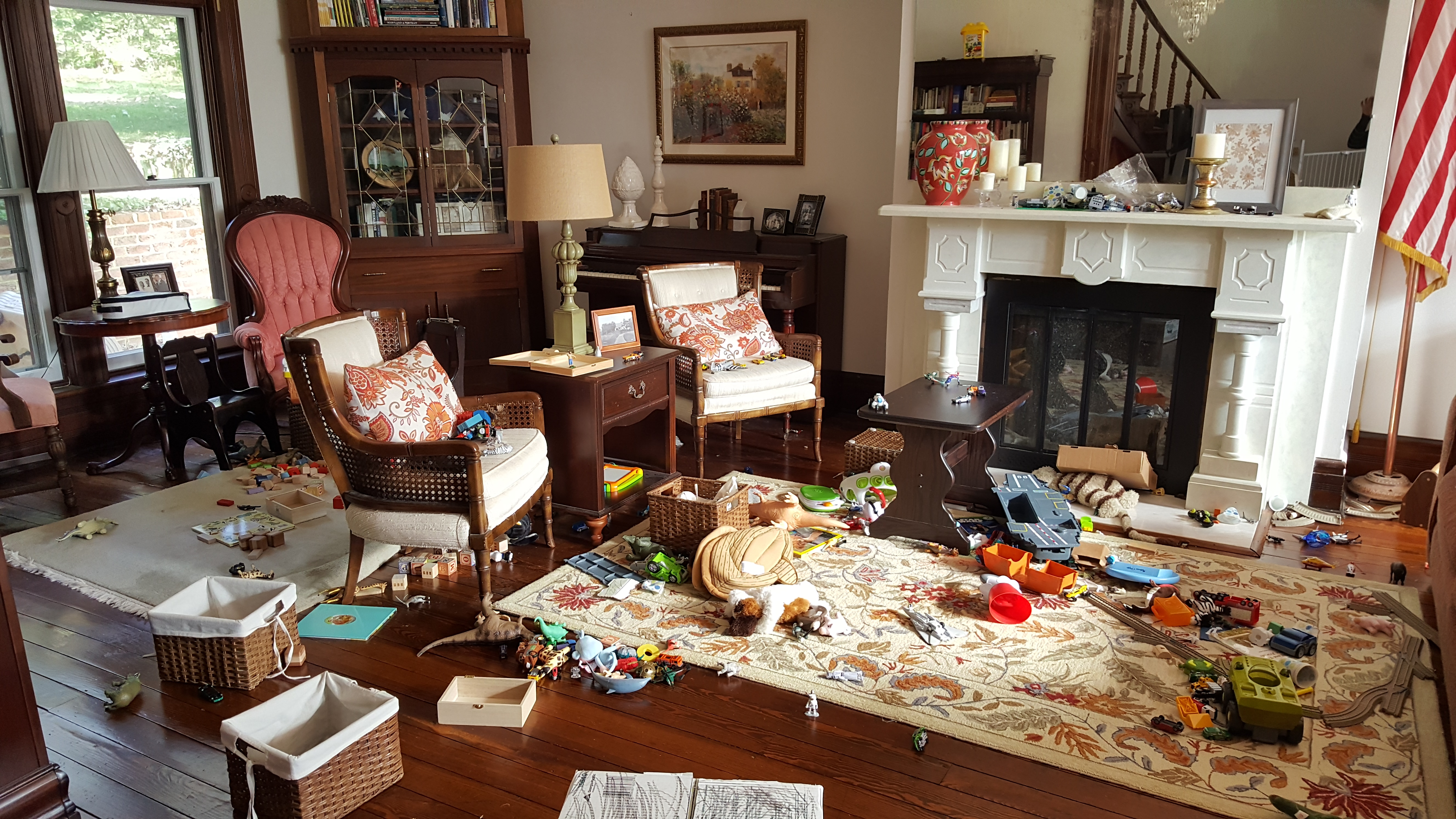
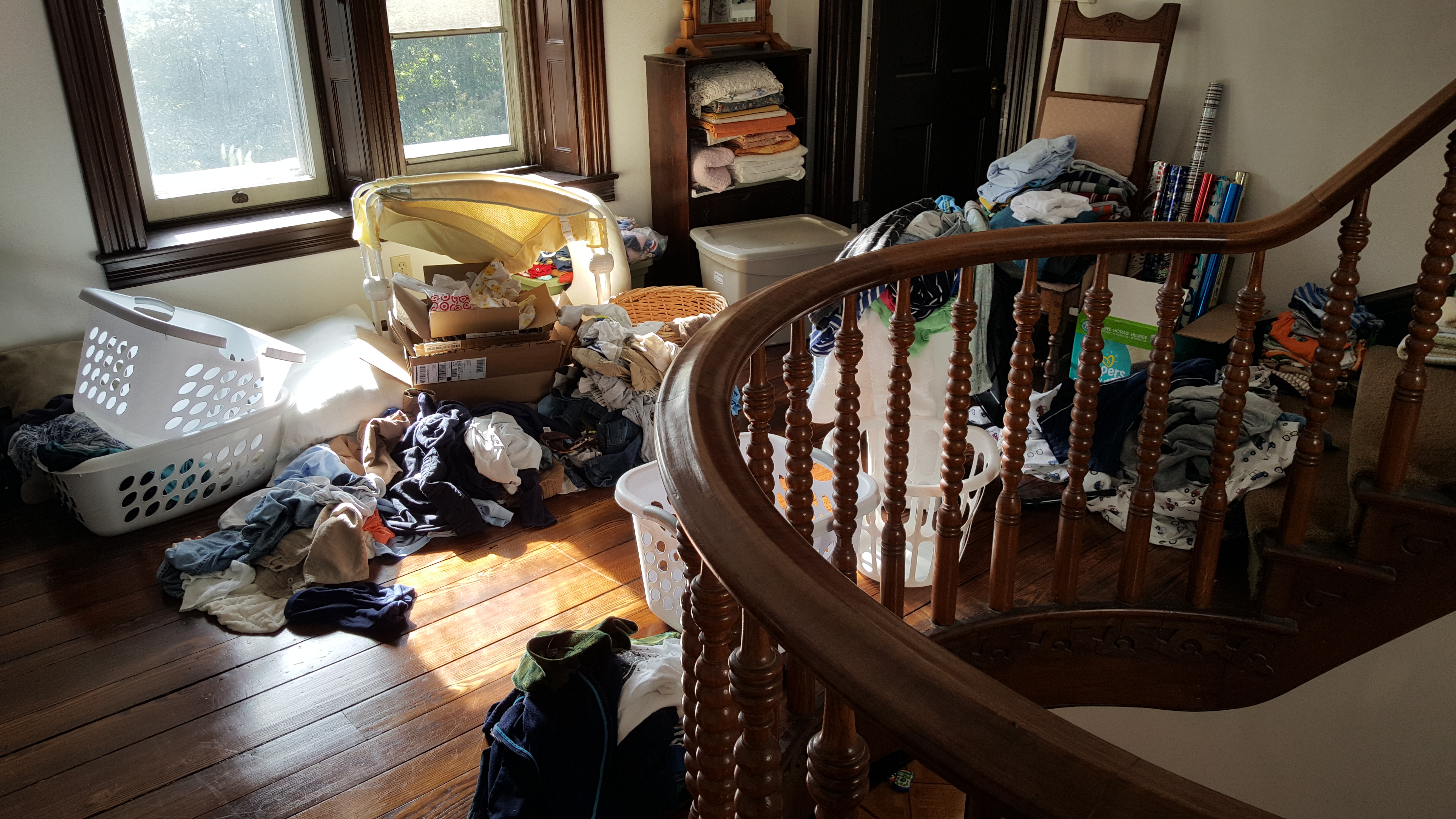
And by “physically,” I mean physically. Earlier this week my friend Rita (who is also doing – as in actually doing – the Write 31 Days challenge) asked me how I was doing with it. I answered with three photos. “This is how I’m doing. And this. And this.”

These Walls - Snapshot Not Saturday - Fits and Spurts - 1

These Walls - Snapshot Not Saturday - Fits and Spurts - 2

These Walls - Snapshot Not Saturday - Fits and Spurts - 3

My house has become a wreck, just as I feared it would. My paperwork/school organization has come undone, just as I feared it would. And I became sick, just as I feared I would. (On the mend now though, thanks.)

And that’s with me having not-blogged most days this week.

But I’m not giving up! Not entirely. I’m still enamored with this project and I want to see it through. (Plus, I figure that if I want this bravery thing to mean anything at all, I’ve got to finish what I started.)

I’m just acknowledging that it’s going to take a good bit longer than a month for me to hit that 31 days mark. If I were very clever and organized, I’d time it to end on Election Day. But I’m neither of those things, so that’s probably not such a safe bet. We’ll have to see.

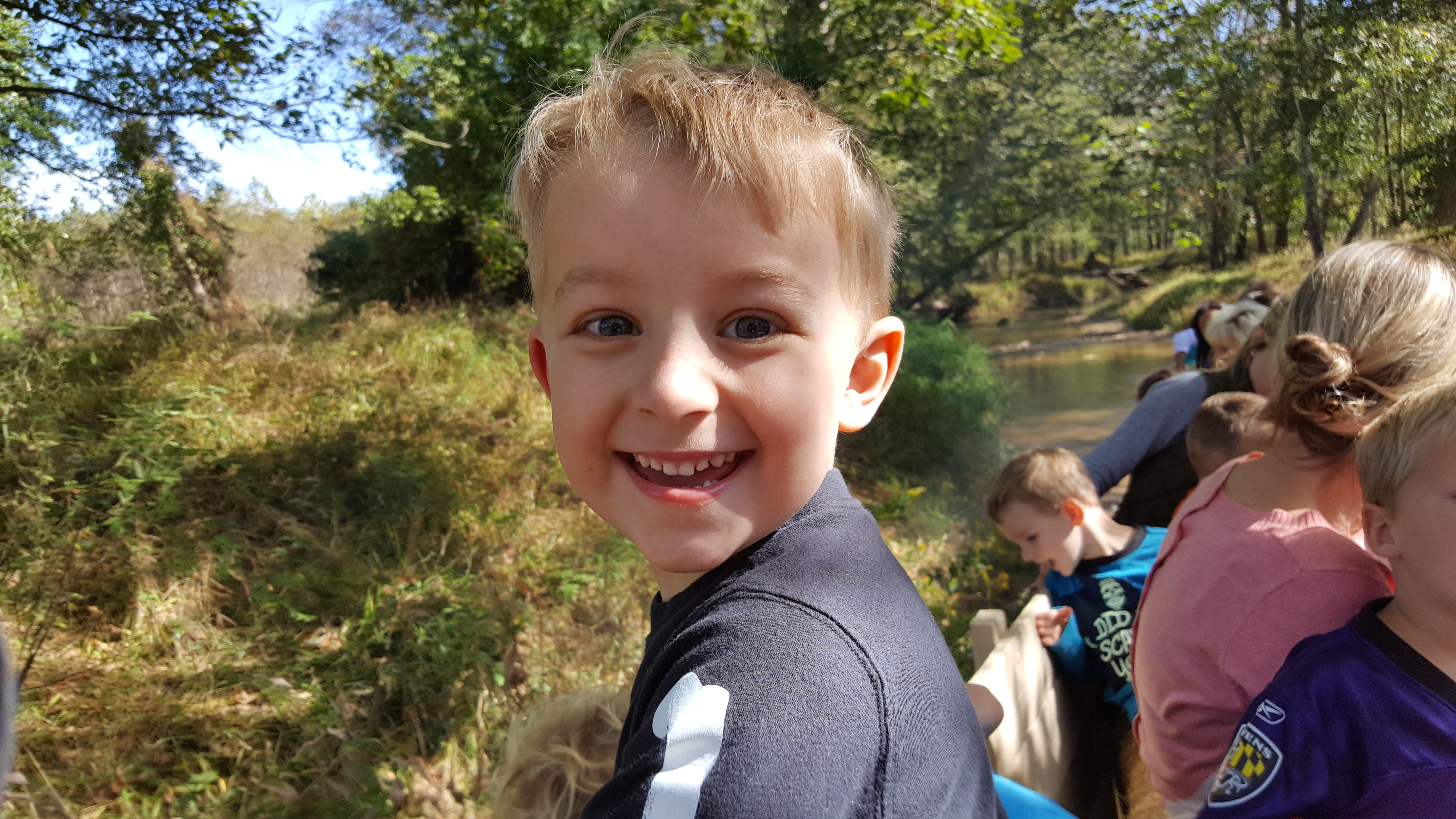
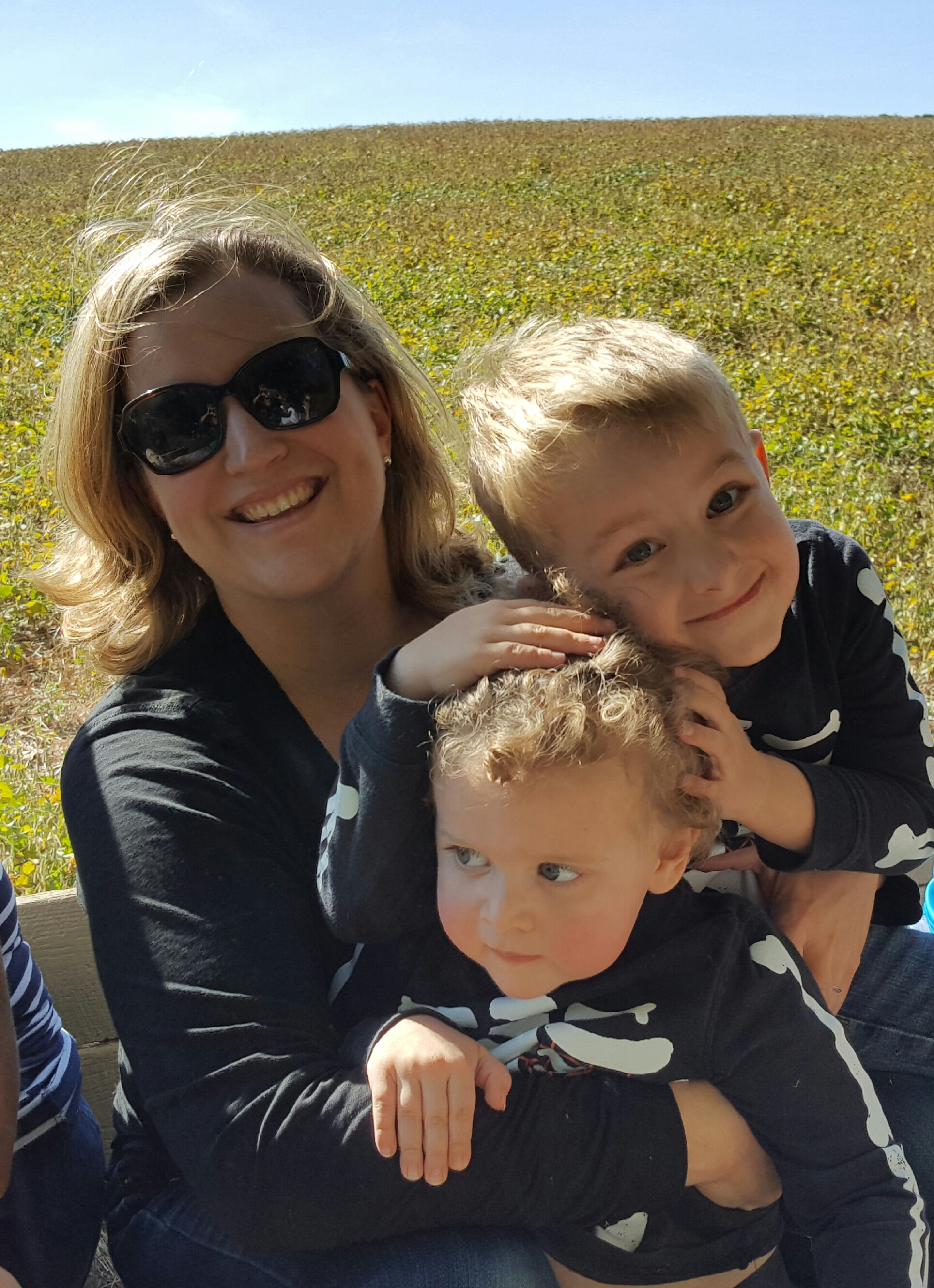
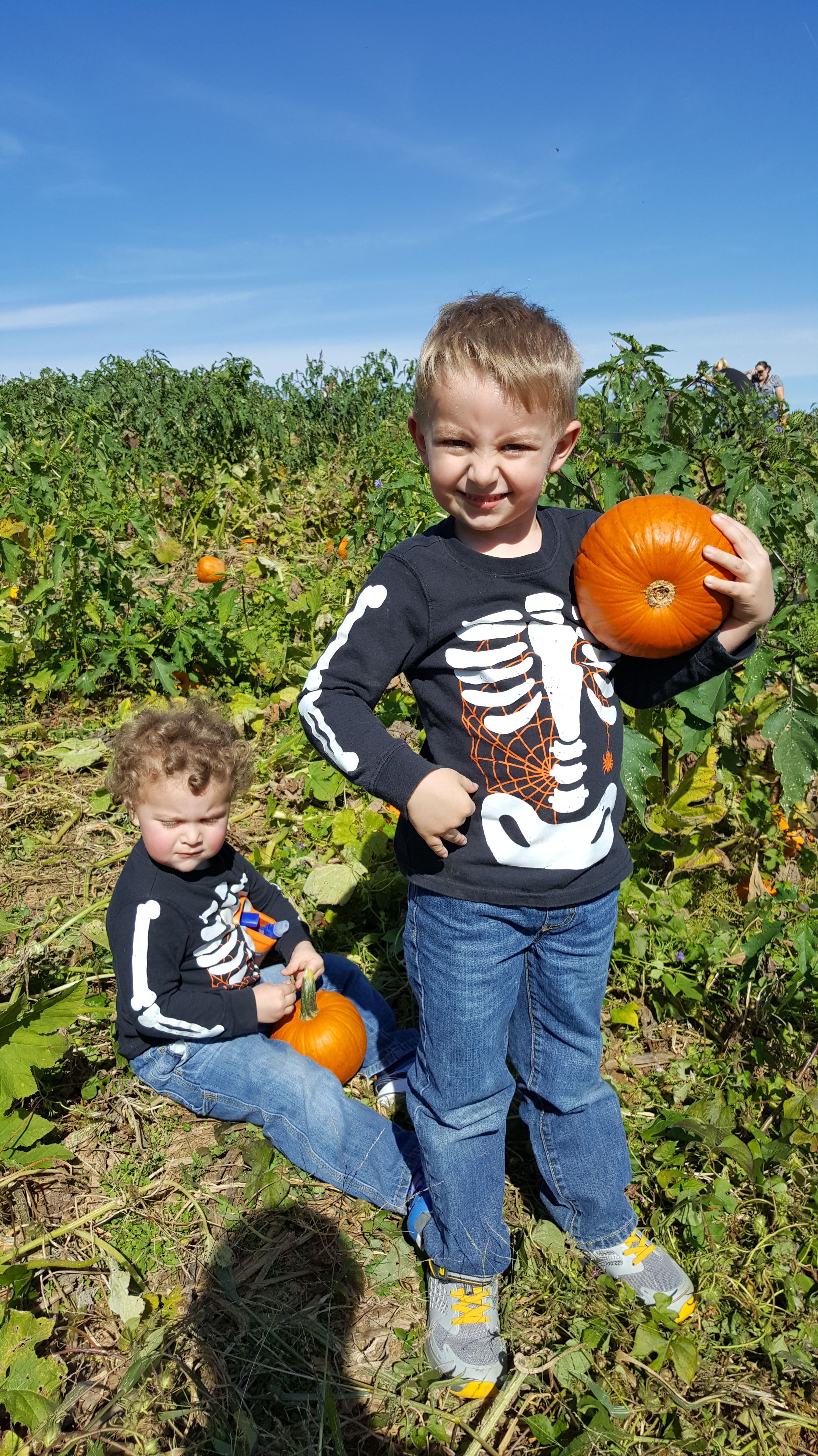
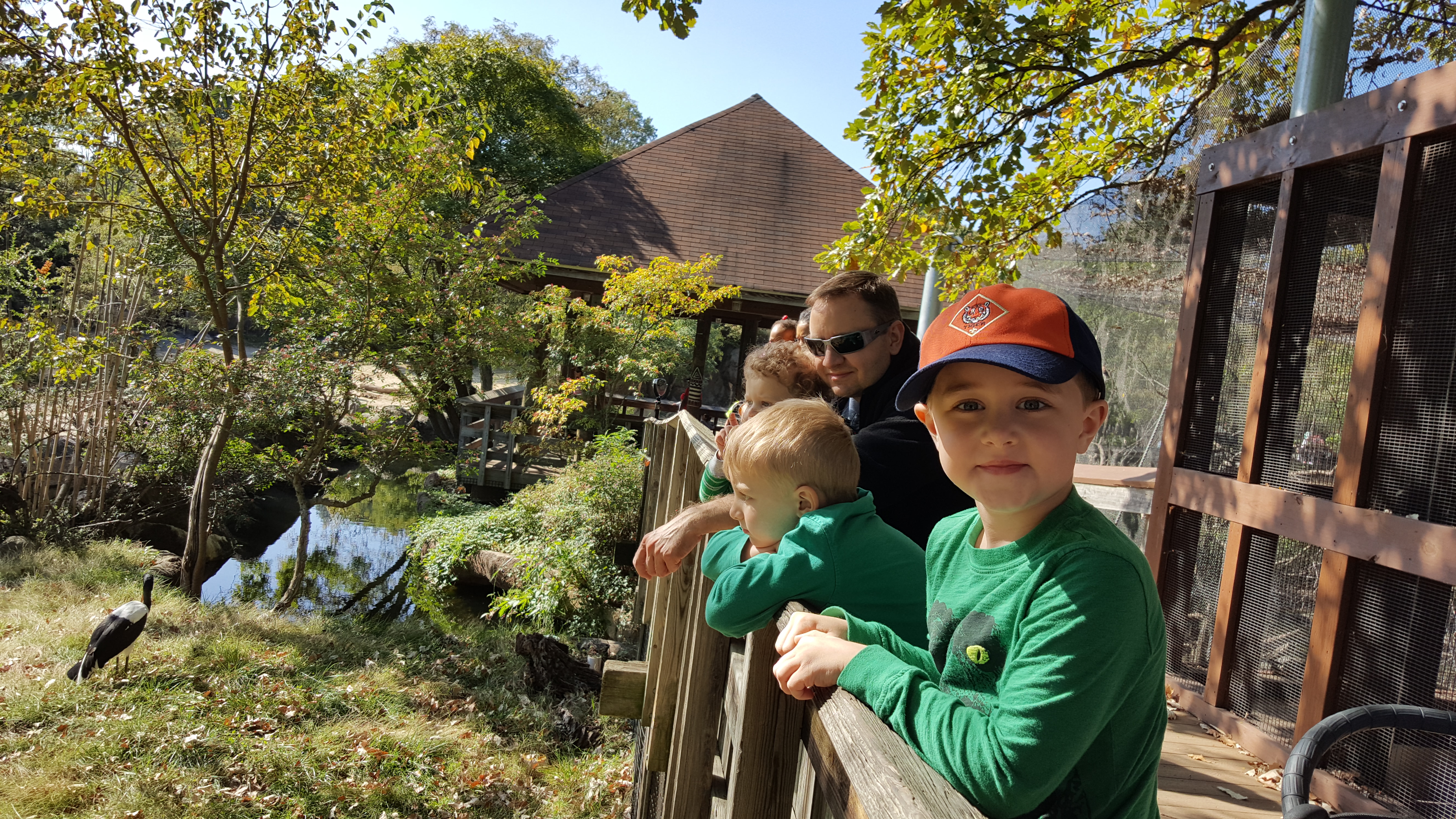
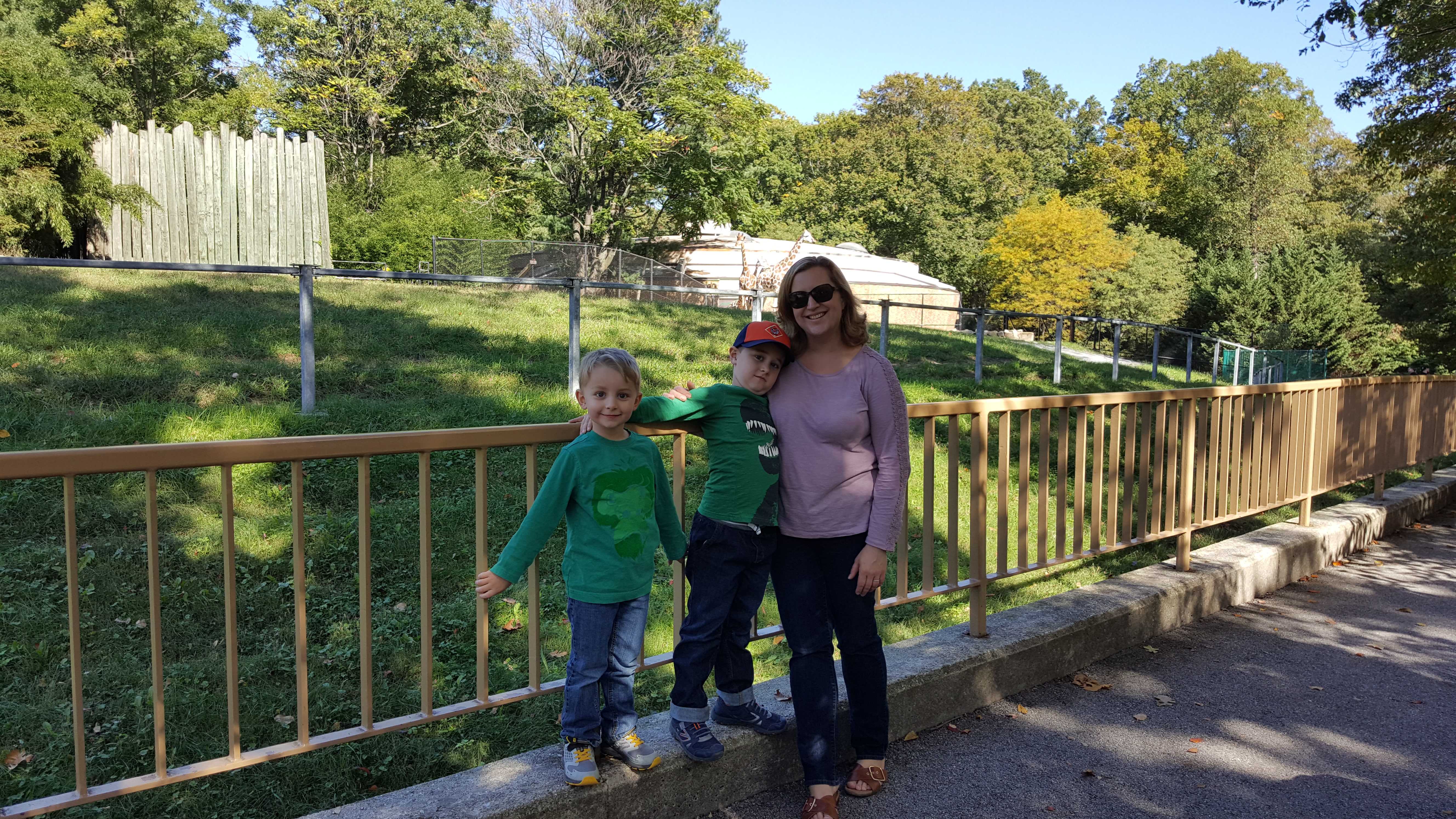
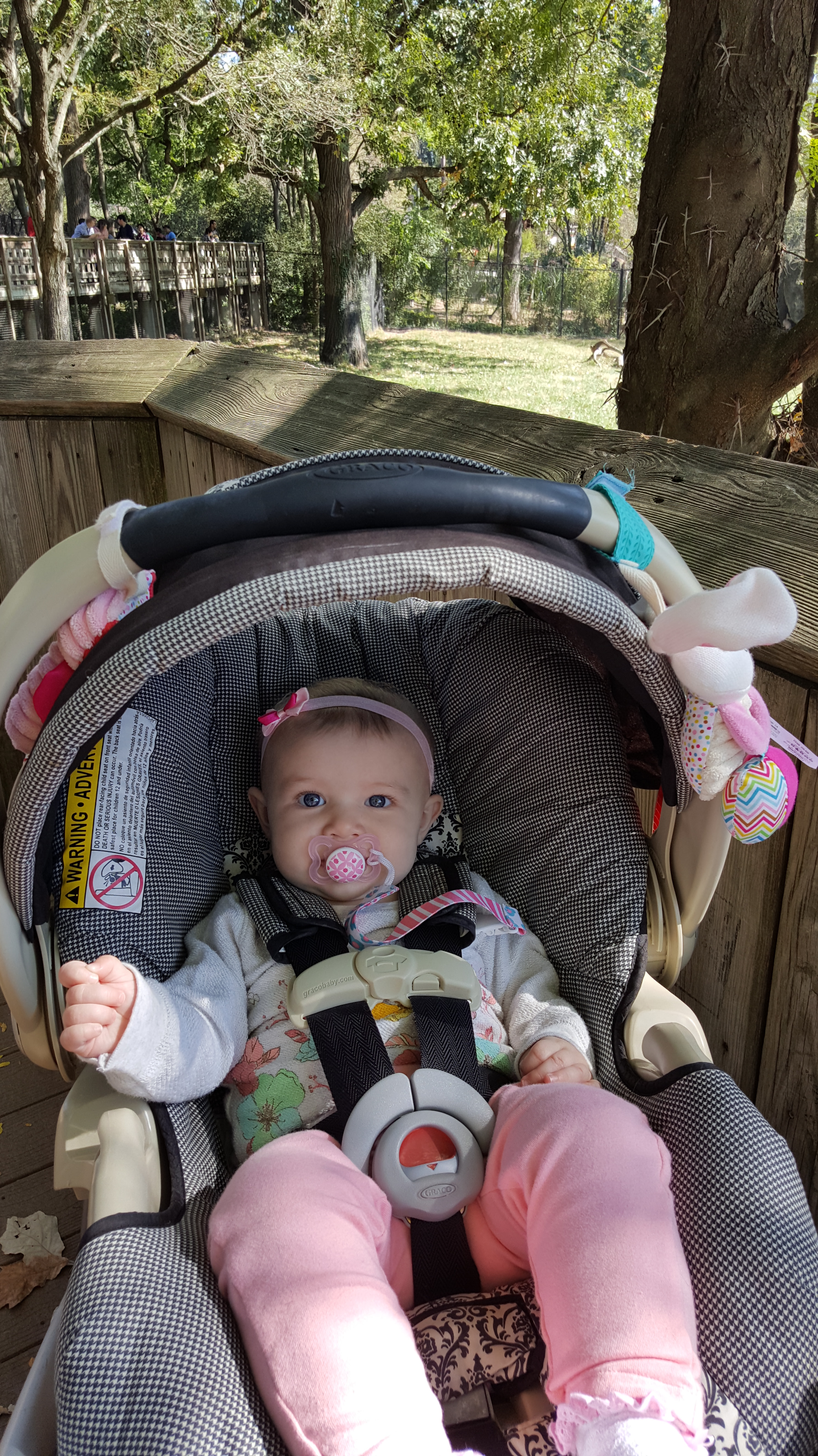
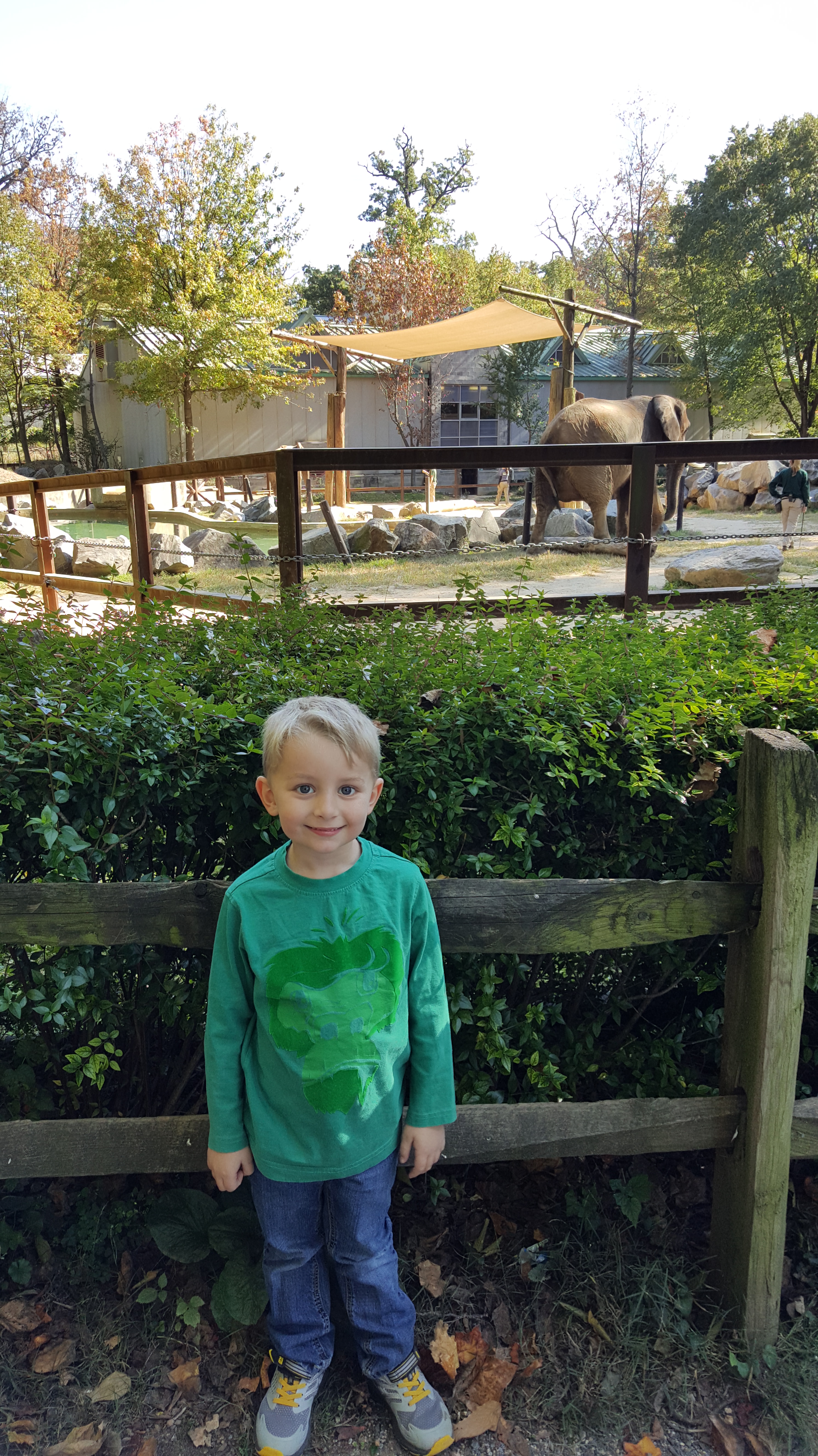
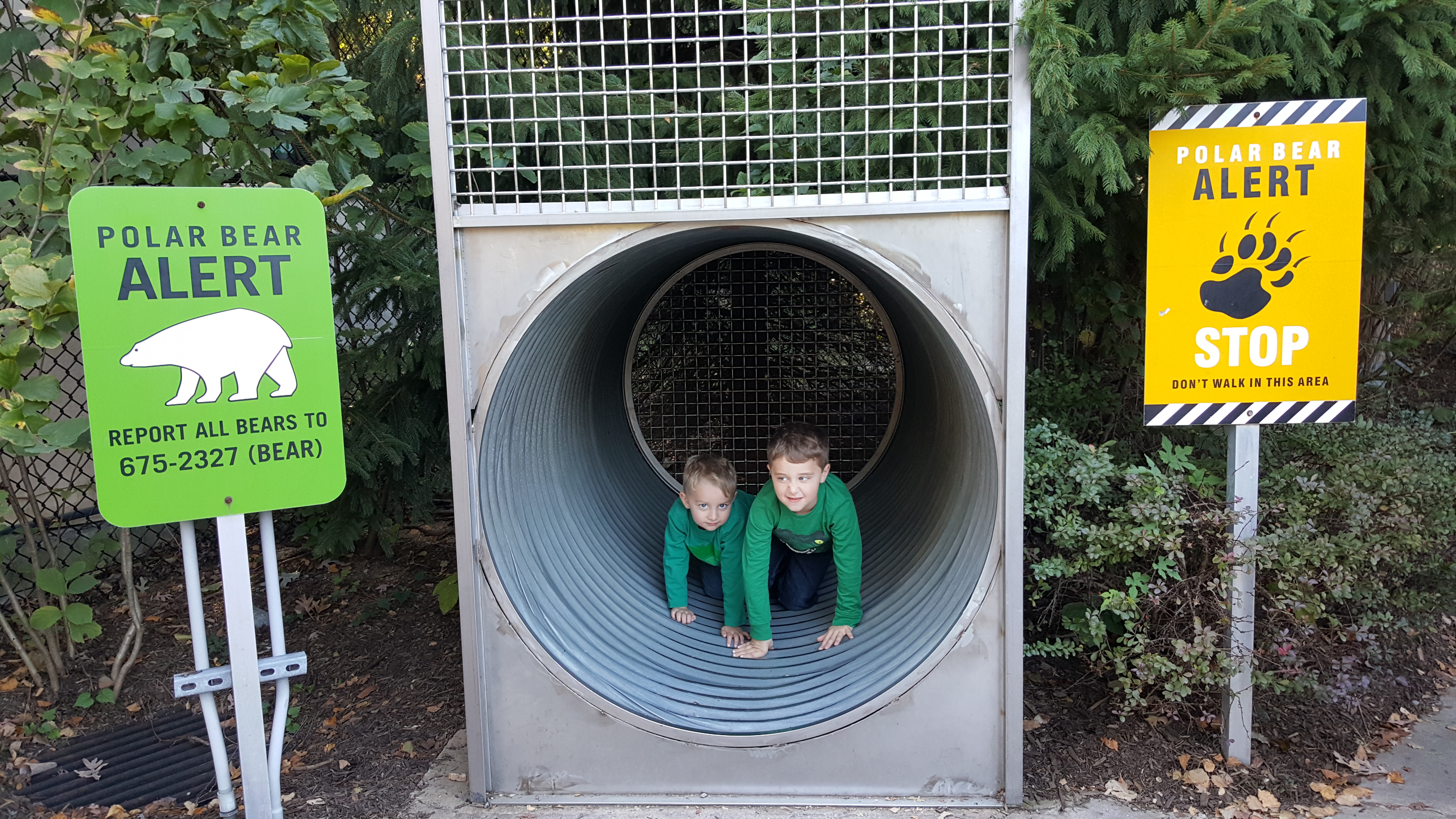
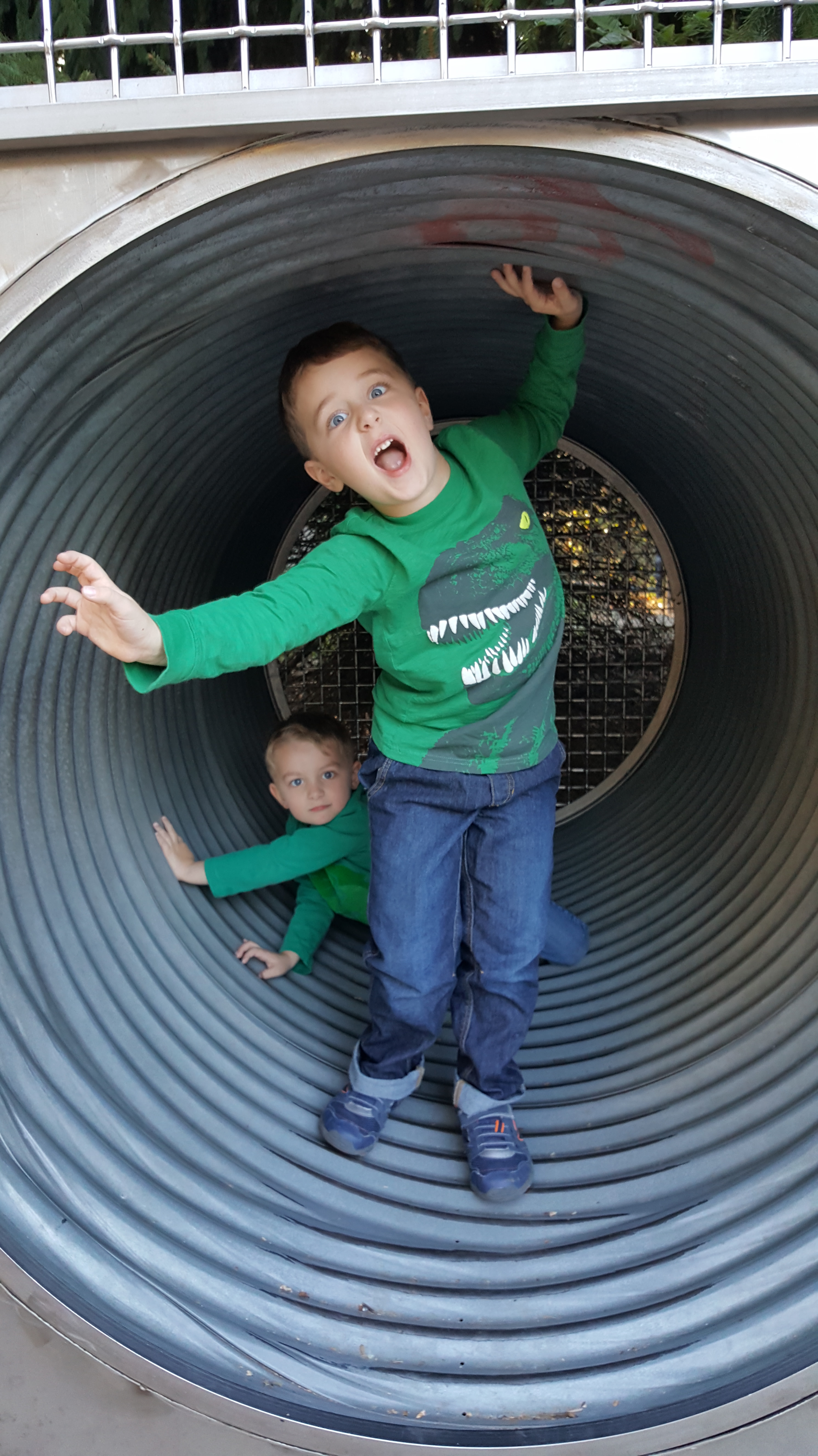
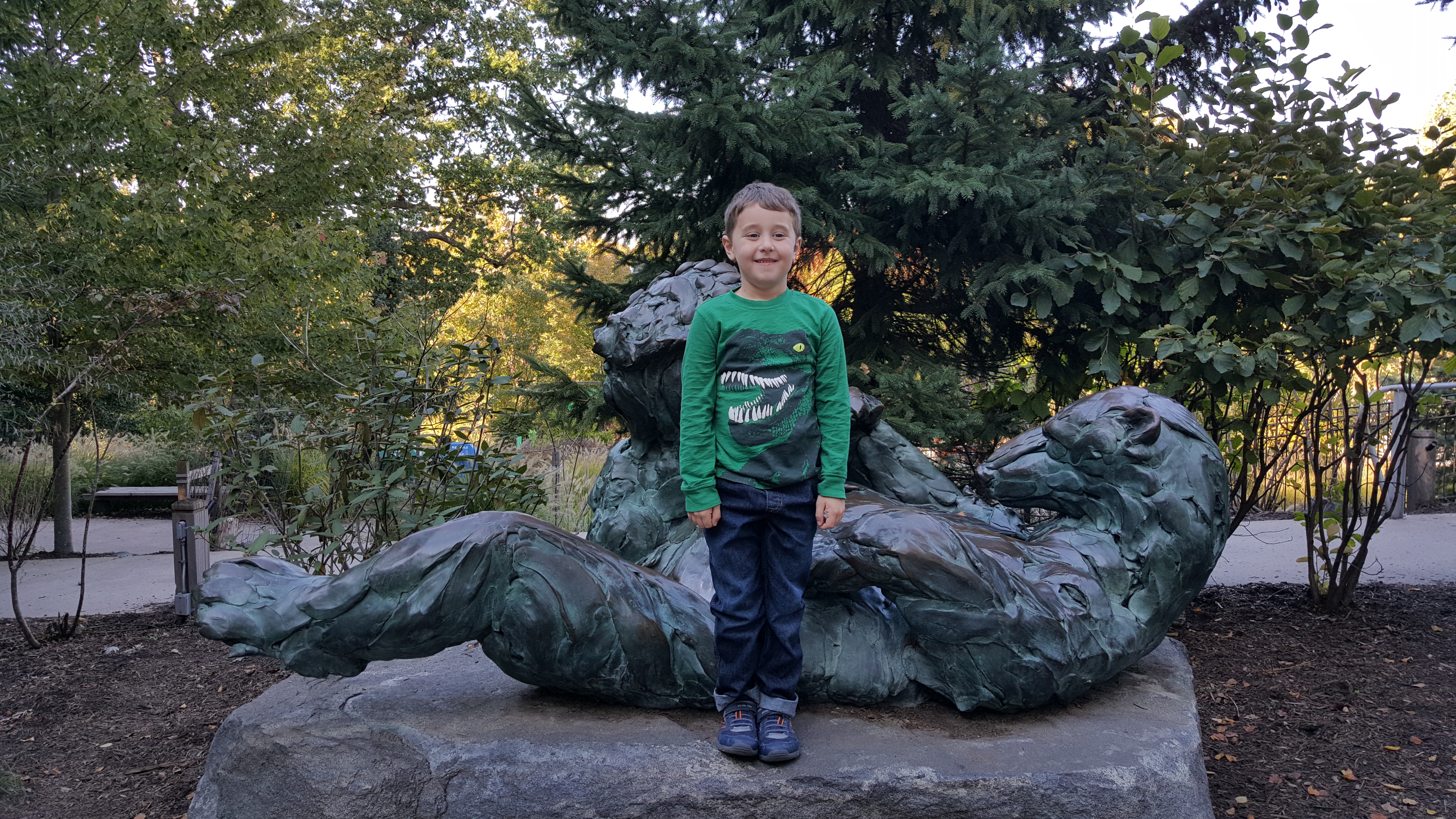
For now, allow me to share a few more snapshots with you from the past few days. We’ve been busy: On Friday I helped at my oldest son’s school and then took my two younger sons on a pumpkin-picking field trip. (With the best, bumpiest hayride.) Then on Saturday we took all four kids to the zoo to belatedly celebrate our son’s birthday, and on Saturday night I took the two oldest boys to my cousin’s farm for his annual moonlight hayride and bonfire. So much fun.

These Walls - Snapshot Not Saturday - Fits and Spurts - 4

These Walls - Snapshot Not Saturday - Fits and Spurts - 5

These Walls - Snapshot Not Saturday - Fits and Spurts - 6

These Walls - Snapshot Not Saturday - Fits and Spurts - 7

These Walls - Snapshot Not Saturday - Fits and Spurts - 8

These Walls - Snapshot Not Saturday - Fits and Spurts - 9

These Walls - Snapshot Not Saturday - Fits and Spurts - 10

These Walls - Snapshot Not Saturday - Fits and Spurts - 15

These Walls - Snapshot Not Saturday - Fits and Spurts - 11

These Walls - Snapshot Not Saturday - Fits and Spurts - 12

These Walls - Snapshot Not Saturday - Fits and Spurts - 13

These Walls - Snapshot Not Saturday - Fits and Spurts - 14

Anyway, this afternoon, I give you this post. This evening, I’ll give you another. And I’m almost done with yet another, to be posted tomorrow. I suppose I’m doing this Write 31 Days thing in fits and spurts.

These Walls - Snapshot Not Saturday - Fits and Spurts

~~~

This post is the eleventh in a series called Everyday Bravery: A Write 31 Days Challenge. Every day this month I’m publishing a blog post on Everyday bravery – not the heroic kind, not the kind that involves running into a burning building or overcoming some incredible hardship. Rather, the kinds of bravery that you and I can undertake in our real, regular lives. To see the full list of posts in the series, please check out its introduction.

These Walls - Everyday Bravery

~~~

Interested in coming along with me as I share stories about my family and chew on the topics of motherhood, politics, and society? Like These Walls on Facebook or follow the blog via email. (Click the link on the sidebar to the right.) You can also follow me on Twitter and Instagram and you can find me at my politics blog at the Catholic Review, called The Space Between.

Loyally Yours: A Letter to the Republican Party from Pro-life America

(Everyday Bravery, Day 10)


Dear Republican Party,

I know that things have been seeming kind of questionable between us lately (or at least, that other people have been questioning our relationship), so I just wanted to take a moment to reassure you:

I’m not going anywhere.

Sure, there have been some bumps on the road, some unpleasantries. I can find you disappointing. You can take me for granted. Sometimes we fight a little. Sometimes we test the limits of our relationship.

But I’m here to tell you that I really am in your corner. And I’ll stay here as long as you do one little thing for me: Continue to nominate presidential candidates who claim to be pro-life.

I’m not asking much. Your guy doesn’t have to be convincing as a pro-lifer. He doesn’t have to demonstrate any knowledge of the issue or any attachment to it or to me. He doesn’t have to talk about it much. (A mention every now and then at a Christian college is plenty.)

He doesn’t even have to talk about appointing pro-life judges. I’ll do that for him. (And anyway, I know that you, Republican Party, will make sure the pro-life judges happen. Right? Right?)

Your candidate doesn’t have to demonstrate any character or guts or grit. He doesn’t have to be honest or trustworthy. His life doesn’t have to show that he respects the institutions of marriage or the family. Heck, he can even threaten to kill the families of bad guys.

He can be a complete jerk. I mean, come at me: He can be boorish, dismissive, overbearing, mean-spirited. He can demean and belittle people. He can show disdain for the disabled and the unattractive and the unsuccessful. (In other words, for the little guy. But just not for the littlest little guy, if you catch my drift.)

He can be just awful to women. And I mean awful. He can gauge their worth by their appearance. He can rate them. He can use them for his own satisfaction. He can cheat on them and leave them. He can even brag about going up to random women and grabbing their genitalia. I’m cool.

I mean seriously – I am really, really good at taking any issue at all – even the sum of lots of issues – and comparing them to one very particular thing: abortion.

It’s a big thing, to be sure. It’s a super important, super evil thing. It may not be the total of what supposedly makes up the pro-life cause (things like euthanasia and the death penalty and maybe even health care and poverty and war are in there too, I guess), but I’m not going to bother you about the total package. Nah – as long as your main guy makes that one claim, we’re set.

Oh – and he does need to have a pro-choice opponent. But that’s no sweat. We both know the Dems would never put up a candidate who says it’s wrong to kill teeny, tiny innocent babies.

Okay. Once again, just to make sure we’re clear: I want you, Republican Party, to know that I am yours. As long as you nominate a presidential candidate who claims to be pro-life (and I know you always will), I belong to you.

I am completely willing to cast my vote for your guy with a pit in my stomach. I am willing to feel disgusting for you. I am willing to cast aside everything else I stand for, I am willing to make excuses, I am willing to minimize whatever pain your guy might cause me and others (even rape victims).

I’ll do whatever it takes. I promise.

Loyally yours,

Pro-Life America

P.S. I was hoping to not have to spell this out, but it appears I should. This is SARCASM. I may be a proud member of Pro-Life America, but I am greatly concerned about the message the pro-life movement is sending the Republican Party this election cycle. If pro-lifers will support Donald Trump, who won’t they support?

these-walls-loyally-yours-a-letter-to-the-republican-party-from-pro-life-america

~~~

This post is the tenth in a series called Everyday Bravery: A Write 31 Days Challenge. Every day this month I’m publishing a blog post on Everyday bravery – not the heroic kind, not the kind that involves running into a burning building or overcoming some incredible hardship. Rather, the kinds of bravery that you and I can undertake in our real, regular lives. To see the full list of posts in the series, please check out its introduction.

These Walls - Everyday Bravery

~~~

Interested in coming along with me as I share stories about my family and chew on the topics of motherhood, politics, and society? Like These Walls on Facebook or follow the blog via email. (Click the link on the sidebar to the right.) You can also follow me on Twitter and Instagram and you can find me at my politics blog at the Catholic Review, called The Space Between.

The Everyday Brave: James Yamakawa

(Everyday Bravery, Day 9)

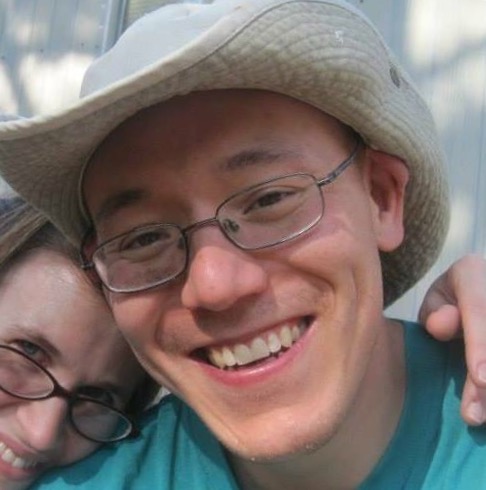
When the idea for this Everyday Bravery project first occurred to me, one of the most prominent things in my mind was the collection of brave people I have known in my own life. And one of the first of them I thought of was my friend James Yamakawa.
These Walls - The Everyday Brave - pic of James Yamakawa

James and I went to high school together. It’s been years since I’ve seen him in person, but I’ve enjoyed keeping tabs on him and his beautiful family via Facebook. He is a husband, a stay-at-home father of three, a martial arts instructor, a member of Faith Lutheran Church in Salisbury, Maryland, and the head organizer for the group Showing Up for Racial Justice Delmarva. (More on that later.)

One of the things that has stood out to me in these years of following James online is that he is a person who tries. He doesn’t seem content to sit back and let the world pass him by. Rather, in his enthusiasm for his family, his church, his work, and his community, James comes across as someone who just about dives into life.

James and I come from different religious and political backgrounds. We disagree on the substance of some important issues and, I’m sure, on aspects of any number of smaller issues too. But I love watching James go about his trying. Because in doing what he does, James seems to be engaged in a dialog with the world. He’s not somebody who will shout a slogan at you and then walk away. He’s somebody who will hold up a big, controversial poster and then pour you a cup of coffee to talk about it. (Figuratively speaking. Though I wouldn’t be surprised to know that James also does that literally.)

James is a person of good will. And I think he’s awfully brave. Below you’ll find a little interview I did with him about bravery and about his work organizing the group Showing Up for Racial Justice Delmarva.

(1) What is Showing Up for Racial Justice Delmarva and what prompted you to organize it?

The group is part of the larger, national SURJ movement, whose goal is to inspire white Americans to stand up and speak out to their communities about racism. A friend and I started the group shortly after attending a Martin Luther King Day rally in Annapolis this past winter. However, the process, internally speaking, probably began much earlier, as I started reading more on social media from voices of color, from a perspective that I had not really ever thought about before. I am half-Japanese, from my father’s side, but for all intents and purposes I present as “white,” and I benefit from appearing like that.

(2) What in your upbringing – in your family and/or your faith – encouraged you to be brave?

If I had to say the one thing that informs how I approach all of this, it’s my belief in a God that loves me for who I am, and that there is nothing I can do to make him love me any more or any less. For some that may be a reason for indifference, but for me it means having the freedom to take action. To decide to do what you think is right, because no matter what happens, God is there for you. It’s a freedom I have been looking for throughout a troubled childhood and a tumultuous growing up; becoming a husband, a father, and learning what it means to be a true member of a community. Not only am I free to make mistakes, but also free to be content that I’ve done at least some good. The latter is definitely the more difficult for me to grasp. And when dealing with an issue like talking about race, you have to be willing to make mistakes, because that’s the only way you can learn to do better than you are now.

(3) What does bravery feel like to you?

First off, I would like to say that I don’t think I can call myself “brave”. I think bravery is something that is ascribed to you, whether you want it or not. There’s a southern African concept of “Ubuntu” – “I am because we are.” If I am brave it’s because I’ve done something that others consider brave. Perhaps that’s just the Lutheran in me, but I never feel “brave” myself.

If I had to distill it down into a feeling though, I’d say it’s like a weird combination of calmness and dread. You know what you are about to do is going to make you different afterwards, somehow, from who you were before. And a part of you doesn’t want to do it, but you go ahead and do it anyway. But consider that what little discomfort I get out of doing this is nothing compared to that which many black Americans experience every day, without fanfare.

(4) What most threatens your bravery?

Definitely fear. There’s probably a reason that “Fear Not” is used so often in scripture!  Fear of making a choice, and getting off the fence. Putting myself out there as saying “I believe this is the right thing to do,” and then having to do that and defend that. I’m not saying I always choose the braver course of action, but I like to think I do more now than I did before. And trying to talk to my friends, my neighbors, sometimes complete strangers about tackling a culture of white supremacy from the inside, it can get scary, because you don’t know what’s going to happen. You may lose a friend. There may be anger directed at you, especially online, where the worst angels of our nature tend to get the most airtime. It gets uncomfortable, at the best of times, but I don’t think God would want us to be comfortable at all with racism.

(5) Is there anything else you’d like to offer on the subject?

I’m a quote guy. I like to read and try to emulate wisdom from sources older, smarter, and definitely more eloquent than myself. One of my favorites is the poet, farmer, and theologian Wendell Berry. In his essay The Hidden Wound, he writes:

It is not, I think, a question of when and how the white people will “free” the black and the red people. It is a condescension to believe that we have the power to do that. Until we have recognized in them the full strength and grace of their distinctive humanity we will be able to set no one free, for we will not be free ourselves. When we realize that they possess a knowledge for the lack of which we are incomplete and in pain, then the wound in our history will be healed. Then they will simply be free, among us–and so will we, among ourselves for the first time, and among them.

That speaks to me, because one of the pitfalls of doing this kind of activism is a well-meaning white guy trying to “save” black people. They don’t need saving. We, “white people,” need to worry about saving ourselves. We are not the primary victims of white supremacy, not by a longshot. But in a way, it hurts us, just in different ways, because it forces us into separation from our neighbor, from that which would make us whole. It fractures community. So working towards racial justice is really an act of Atonement, “at-one-ment,” that is meant to bring us together, not to divide as so many seem to be convinced it is doing. It’s an act of love. Love of our neighbor as ourselves, and love of that from which they were created.

***

One note before we end: As my readers will know, last week I published some of my own thoughts on racism and racial justice. Though I am following that post with James’ story, I want to be clear that I am not trying, in this one interview, to be exhaustive in showing what bravery on that big, complex, divisive issue looks like. Most especially, I’m not trying to make one white man’s experience representative of the countless African Americans who work toward racial justice every day.

I just started with someone I knew. I started with a friend.

If you have an example of bravery on this issue or another – an idea of someone I might want to interview, please let me know. I’m enamored with this The Everyday Brave idea and I hope to continue it beyond my Write 31 Days project.

Thanks in advance for your ideas – and thanks especially to James for allowing me to interview him.

these-walls-the-everyday-brave-james-yamakawa

~~~

This post is the ninth in a series called Everyday Bravery: A Write 31 Days Challenge. Every day this month I’m publishing a blog post on Everyday bravery – not the heroic kind, not the kind that involves running into a burning building or overcoming some incredible hardship. Rather, the kinds of bravery that you and I can undertake in our real, regular lives. To see the full list of posts in the series, please check out its introduction.
These Walls - Everyday Bravery

~~~

Interested in coming along with me as I share stories about my family and chew on the topics of motherhood, politics, and society? Like These Walls on Facebook or follow the blog via email. (Click the link on the sidebar to the right.) You can also follow me on Twitter and Instagram and you can find me at my politics blog at the Catholic Review, called The Space Between.
Dare I Approach?

(Everyday Bravery, Day 8)

Note: this post was meant to go up Sunday evening. But then I – you know – got completely wrapped up in the presidential debate and let the finishing touches on this slip. So the post will be better read if you pretend it’s Sunday. Yesterday. There you go.


For the past few years, my parish has been hosting this thing they call “Church Chat.” When they instituted it, they changed the times of the Sunday Masses so that one is kind of early and the other is pretty much late, and in between they scheduled faith formation classes for the kids and Church Chat for the adults. (This year they’ve even opened the nursery to Church Chat participants, so parents can drop their older kids at faith formation classes and their toddlers and babies in the nursery.)

There’s a little “café” where you can purchase coffee and bagels, etc. You can sit and visit with your fellow parishioners. And then you can partake in the Church Chat.

(This is where my Protestant friends are heaving a sigh of unimpressed, because nurseries and adult Sunday School are everyday, everywhere things to them. But my Catholic friends might well be shocked. “You mean your parish is making a real push for adult faith formation? With BABYSITTING?”)

I know. It’s crazy.

(People who make decisions at parishes: This is a good idea. You should see if you can pull it off too.)

Anyway, before this year I never even considered attending, because: (1) How was I going to get away from all my little kids in order to be there? (2) “Church Chat” is a dorky name. (3) I’m a brat who thinks she has no need for adult faith formation. And (4) How was I going to get away from all my little kids in order to be there?

Fortunately, this year my (1/4) concern was easily dispensed with because my oldest started faith formation classes himself. So my husband and I rearranged our own Sunday schedule. Now we get up early, go to the 8am Mass, and I stay at church for alloftheabove while Brennan and the younger three go home. By the time our oldest and I get back, Daddy has made pancakes. (WIN all around!)

Even more fortunately, my (2/3) concerns were also addressed. This year we’re viewing and discussing Bishop Robert Barron’s “Pivotal Players” in Church Chat – and have you ever seen Bishop Barron’s work? (The people at Word on Fire do an incredible job.) It’s beautiful! So beautiful I got over my snobbery in a flash. I now look forward to Church Chat every week.

Okay – my apologies. That was a very roundabout way of getting to the point of this post. Today is Sunday, and as I said at the beginning of this Everyday Bravery Write 31 Days challenge, each Sunday this month I’ll be posting on the parts of the day’s Mass readings that feel to me like calls to bravery.

This week, the Gospel reading stands out to me:

LK 17:11-19

As Jesus continued his journey to Jerusalem,
he traveled through Samaria and Galilee.
As he was entering a village, ten lepers met him.
They stood at a distance from him and raised their voices, saying,
“Jesus, Master! Have pity on us!”
And when he saw them, he said,
“Go show yourselves to the priests.”
As they were going they were cleansed.
And one of them, realizing he had been healed,
returned, glorifying God in a loud voice;
and he fell at the feet of Jesus and thanked him.
He was a Samaritan.
Jesus said in reply,
“Ten were cleansed, were they not?
Where are the other nine?
Has none but this foreigner returned to give thanks to God?”
Then he said to him, “Stand up and go;
your faith has saved you.”

The thing that jumps out to me from this reading is the nerve of the ten lepers. Have you ever been in the presence of someone who is holy? I was once about 15 feet away from Pope Saint John Paul II and the feeling was just incredible. I swear he radiated holiness. In the years since, the only things I’ve experienced that have felt like that are Eucharistic processions. (That is, a group of people proceeding through a physical space with the Eucharist – the very Body of Christ – held aloft.)

When you are in the presence of someone holy, you feel it. I can hardly imagine what it must have felt like to see Jesus Himself.

And yet, these men approached Him. They called to him from a distance, “Jesus, Master! Have pity on us!” This is no small thing. First, it must have taken great nerve to speak to Jesus at all. And second, to have had the wherewithal to ask Him for his help.

I don’t know about you, but I hate to ask for help. I hate to humble myself to that point. I hate, too, to acknowledge myself as weak and flawed. Yet what else can one do in the very presence of God?

This week and last in Church Chat, we’ve been learning about St. Thomas Aquinas. Last week we saw the portion of the film that told of Christ speaking to the saint from the Cross, telling Thomas he had written well and asking what he would like in return. This week we had a discussion question that asked us how we would answer if Christ asked us that question.

To be honest, I can’t imagine having the nerve to answer at all.

I have a hard time confronting the idea of God, knowledgeable as I am of my weaknesses and wrapped up as I am in the things of this world. It’s so hard for me to make that mental and spiritual leap – away from the mundane, the known – to the divine. I don’t know how I could handle an exchange with God Himself.

St. Thomas Aquinas answered Christ’s question with, “Nothing but you, Lord.” The one leper, the Samaritan, did something similar in returning to thank Jesus for healing him. I’m afraid I might be more like the remaining nine, who moved on without that up-close exchange.

In these few weeks of Church Chat, I have felt an opening – a window into a personal rawness in the presence of God that I haven’t felt for a long time. I want to approach God; I want to seek Truth. As one of my fellow participants put it today, “I’m thirsty.”

I think that approaching/seeking can require great bravery. It’s much more comfortable to sit in our everyday lives, on a level that we’re used to, grappling with the things we’re confronted with day in and day out. It’s hard – frightening, even – to try to move out of our everyday, to grapple instead with personal weaknesses and universal truths.

I hope I can be brave enough.

these-walls-dare-i-approach

~~~

This post is the eighth in a series called Everyday Bravery: A Write 31 Days Challenge. Every day this month I’m publishing a blog post on Everyday bravery – not the heroic kind, not the kind that involves running into a burning building or overcoming some incredible hardship. Rather, the kinds of bravery that you and I can undertake in our real, regular lives. To see the full list of posts in the series, please check out its introduction.

These Walls - Everyday Bravery

~~~

Interested in coming along with me as I share stories about my family and chew on the topics of motherhood, politics, and society? Like These Walls on Facebook or follow the blog via email. (Click the link on the sidebar to the right.) You can also follow me on Twitter and Instagram and you can find me at my politics blog at the Catholic Review, called The Space Between.
 

Snapshot Saturday: State of the 31 (7QT, Vol. 42)

(Everyday Bravery, Day 7)

Oh, no – I’m falling behind! I’m pretty sure that when you do the Write 31 Days challenge you’re supposed to actually, you know, publish a blog post on each of those 31 Days. I’m not too far off from that, but I’m not quite there either. (I missed two days last week, but I actually wrote all seven posts. One was published earlier today and the other will be published on Monday.)

I’ll get there. Or I won’t quite, but I’ll still have done much more blogging than I normally do, and I’ll have learned some good lessons along the way.

At least that’s my hope.

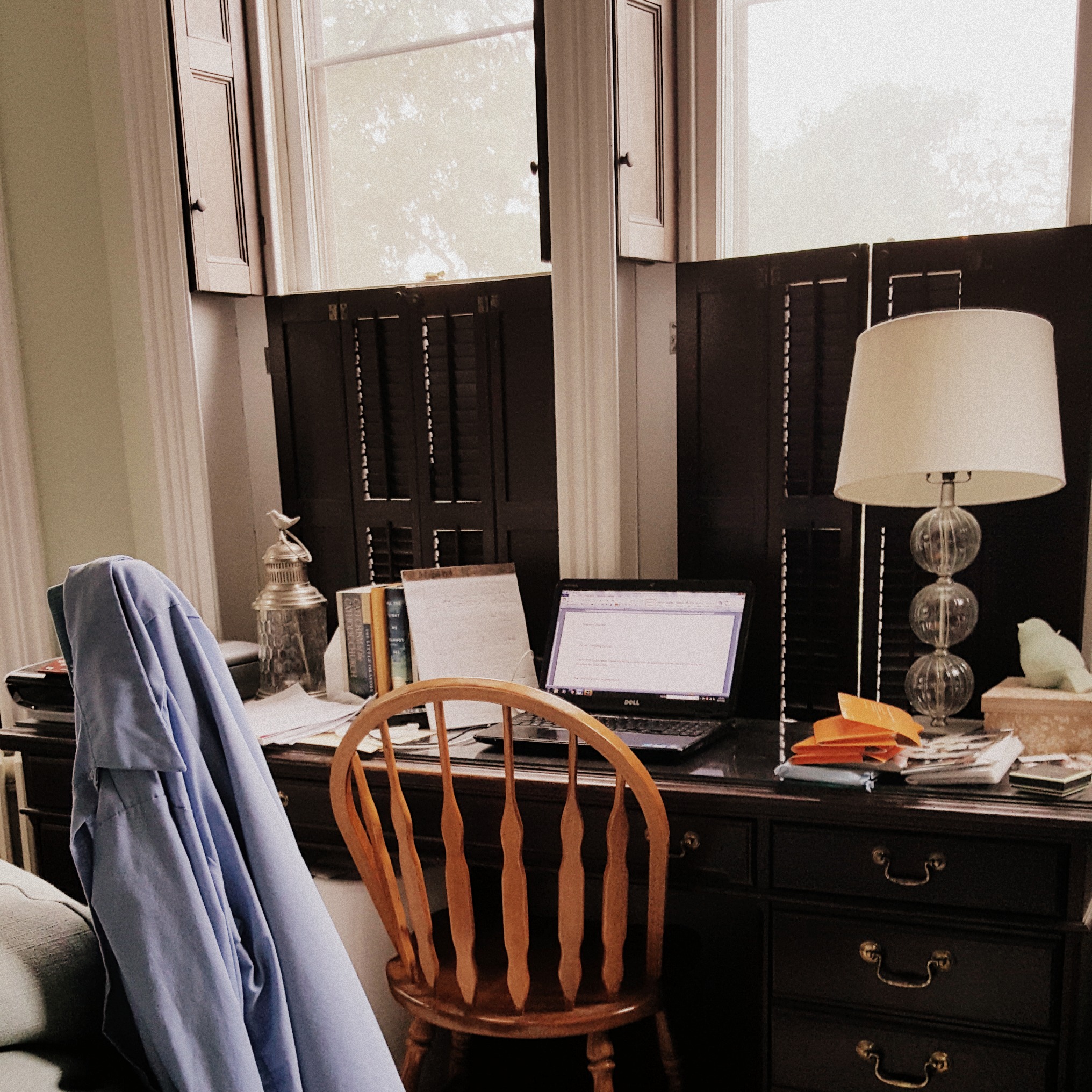
So far I’m having Lots of Dramatic and Gloomy Reactions to undertaking this little experiment, plus a few that aren’t so negative. They’ll probably only be of interest to, like, five of my blogging friends, but I’m going to list them anyway. (Along with a photo, because I’d planned to show you a photo every Saturday and include a story about the bravery I was feeling when it was taken. This Saturday all I feel like writing are the Lots of Dramatic and Gloomy Reactions, so you’re getting a photo of my desk. Just imagine all my angst shoving my bravery right out of that space.)

Oh, and I’m linking up with Kelly for 7 Quick Takes, because my list happens to contain seven items. (Follow the link to check out all the other Quick Takers!)

these-walls-snapshot-saturday-state-of-the-31-1

—1—

I’m tired. I’ve been staying up late nearly every night to write and then getting up early to do the same. So I’ve only been getting five to six (interrupted, because kids) hours a night, and it’s wearing me thin. I need to do something about this before I get sick.

—2—

Few people are reading my posts. I haven’t been getting many views in the past several months because I’ve done so little blogging. Which is fine – that makes complete sense. But I was hoping that with this Write 31 Days project, I could build my numbers back up. I figured I could at least get to where I was a year or so ago and I was super hopeful that I could do better than that. Instead, so far I’ve been getting something like a third of the views I was back then. And I lost several followers on my Facebook page. Which is a big bummer, because . . .

—3—

This is hard work. My mind is constantly ‘on,’ I’m jotting down notes wherever I can, and I’m sneaking up to my desk every chance I get. I push a post into existence, and then once I post it, I feel all angsty until I can determine how it’s received.

—4—

This has been a hard week. Lots of people I love are hurting or anxious or stressed or just dealing with a lot these days. They’ve had hard times of it lately and will continue to for the foreseeable future. I’m here at home, hurting for them. And wishing I could do something more concrete.

—5—

I can be an insufferable know-it-all. I don’t know why this realization (which is always kind of in the back of my mind) has become so prominent to me all of a sudden, but it’s there. It’s there telling me to put my nose down, be quiet, and just leave everybody and everything the heck alone. Hmpf.

—6—

Maybe I should just give up the blog. Maybe I shouldn’t even finish this #write31days thing. Maybe I should just throw in the towel and go clean my house and read to my kids and bake a pie or something. Because this is hard work and life is hard enough already and I’m not getting enough sleep and nobody’s reading what I write anyway.

—7—

But all that drama and doubt aside, I think I’m starting to learn some practical, constructive lessons here. I’m starting to learn to write a little faster, to be a little less of a perfectionist, to take more risks. I’m discerning my most productive times for and methods of writing. I’m learning that I don’t need to step away from social media entirely, but I do need more screen-free periods in my day for peace and productivity. I’m learning to focus more on my writing while I write, more on my house while I do its work, and more on my kids while I’m caring for them.

Those are good lessons. So for now, I’m just going to keep pushing ahead, keep working with what I’m learning. I think good things will come of this project even if those good things don’t include higher viewing stats. And if I get to the end of it and decide I need a blogging break, well then . . . I’ll go bake some pies. November will be a nice month for that anyway.

these-walls-snapshot-saturday-state-of-the-31

~~~

This post is the seventh in a series called Everyday Bravery: A Write 31 Days Challenge. Every day this month I’m publishing a blog post on Everyday bravery – not the heroic kind, not the kind that involves running into a burning building or overcoming some incredible hardship. Rather, the kinds of bravery that you and I can undertake in our real, regular lives. To see the full list of posts in the series, please check out its introduction.

These Walls - Everyday Bravery

~~~

Interested in coming along with me as I share stories about my family and chew on the topics of motherhood, politics, and society? Like These Walls on Facebook or follow the blog via email. (Click the link on the sidebar to the right.) You can also follow me on Twitter and Instagram and you can find me at my politics blog at the Catholic Review, called The Space Between.
 

Tipping Point

(Everyday Bravery, Day 6)

Within a span of just a few minutes the other evening, I read George Matysek’s excellent article in the Catholic Review (“When the choice is Clinton or Trump, what’s a Catholic to do?”) and I looked at the stack of mail my husband had dropped on the kitchen table.

It contained my sample ballot for the presidential election.

Normally I get a little thrill of anticipation when I receive my ballot. I open it up and see my preferences listed there in black and white, and I’m satisfied at the thought that I’ll get to cast a vote for my guy. That I’ll get to have a say.

As a conservative on many issues, I’m used to feeling politically lonely in Maryland. I know that most elections aren’t going to go the way I want them to. But when I look at that ballot, somehow I always have a little hope. I guess it’s the egalitarianism of paper and ink: those two (or more) names sit right there on the page together, listed as equals.

For a moment, the polls and commentary and lopsided campaign treasuries fade away. There are simply a couple of names on a piece of paper, and I get to choose between them.

This year when I opened the ballot, however, I didn’t so much experience the thrill of anticipation as I did a funny kind of curiosity . . .

Read the rest (including how I’ll be voting for an idea this year, not a candidate) at the Catholic Review.

the-space-between-tipping-point

~~~

This post is the sixth in a series called Everyday Bravery: A Write 31 Days Challenge. Every day this month I’m publishing a blog post on Everyday bravery – not the heroic kind, not the kind that involves running into a burning building or overcoming some incredible hardship. Rather, the kinds of bravery that you and I can undertake in our real, regular lives. To see the full list of posts in the series, please check out its introduction.

These Walls - Everyday Bravery

~~~

Interested in coming along with me as I share stories about my family and chew on the topics of motherhood, politics, and society? Like These Walls on Facebook or follow the blog via email. (Click the link on the sidebar to the right.) You can also follow me on Twitter and Instagram and you can find me at my politics blog at the Catholic Review, called The Space Between.
The Post I’ve Been Wanting to Write on Race

(Everyday Bravery, Day 5)

Lately I feel like every time my mind turns outwards, away from the joys and the responsibilities of life at home, it lands on race.

Sometimes it’s all I can think of.

The news, social media, encounters at church and school and the grocery store – they prompt this whirlwind of thought and memory and anxiety and love and (I hate to be dramatic, but) fear for the future of our society.

The thing that most gets under my skin about this preoccupation with race is that it should strike me now, when I’m living in the least diverse place I ever have. These days I look around at church and at school and in the grocery store, and the crowds are so white that I actually notice the few African Americans among them. I never used to notice, because I never used to run in such white crowds.

I never would have expected it, but being so surrounded by (my fellow) white people has made me feel untethered. Untethered from my past, from my previous viewpoint on the world, and, I fear, from reality.

I grew up in a pretty diverse community. (Or at least one that had a pretty decent mix of blacks and whites.) I always had black classmates. I always had black friends. I always respected and admired my black teachers and neighbors. I’ll probably guess wrong, but my best guess is that growing up, about 30-40% of the students at my schools were black.

Afterward, with the exception of the four years I spent at my small, Catholic, overwhelmingly-white liberal arts college, all the communities I lived in were at least as diverse as the one I grew up in.

Until now.

All this is to say, I feel like I’m witnessing our society’s current unrest over racial issues from a strange place:

I am white. I am privileged. (Not trying to be PC here – just telling it like it is.) I am a descendent of slaveholders. I grew up in a southern-ish place where talk of race was routinely hushed with a “we don’t talk about that.” I married a Midwesterner who has absolutely no sense of sensitivity to such things. I live in a mostly-white, middle-class, semi-rural community.

Yet I was formed in communities that were far more black than most white, middle-class, semi-rural people experience. My husband and I both come from modest-to-poor backgrounds. (i.e. It is not natural to us to feel privileged.) And through the miracle of social media, I have maintained at least slight connections to people from all phases of my life. My black childhood friends and young adult friends and work friends are thrown right in there with my white mom friends (online and in person), many of whom seem to have never had many black people in their lives.

(So: untethered. I feel untethered.)

These days people seem to misunderstand one another and mistrust one another. We don’t want to talk about it. Or we do want to talk about it, but only with those who look and think like us. We want to pit people who side with the police against those who side with the black community, as though we can escape the full weight of our country’s legacy of racial inequality and discrimination by boiling it all down to one horribly divisive issue.

My mind swirls. It is a cacophony of thoughts. I have written on this issue for hours upon hours in the last three years. I have written thousands upon thousands of words. Yet none of it adequately captures my thinking.

I can’t get it right. So here’s me not trying to get it right. Here’s me starting somewhere – throwing out a few thoughts in order to start a conversation. If you’re a friend and you want to contact me privately, if you’re a reader and you want to comment here or on Facebook – or heck, if you’re a fellow blogger and you want to post back and forth on the subject – I’m game. I’ll talk. I’ll listen.

— One —

  • I never used to see the point in encouraging diverse schools and workplaces and communities – but now I see that that’s because I was already living it. I took it for granted.
  • These days I am grateful for the diversity in which I was raised. I am grateful to have some sense of what life and history have been like for people who look different from me. I am grateful that when I encounter young African American men, I see in them glimpses of my childhood friends, my former classmates, and (now) my friends’ precious sons.

— Two —

  • It may sound hokey, but I’ve realized since moving to a less diverse area that to me, encountering black people can sometimes feel like home. I sit next to an older black woman at the store and we chat kids and discipline and recipes – and I feel the warmth of home.
  • I had the same feeling – stronger, sadder – when Dylann Roof attacked the good people of Emanuel AME Church in Charleston last year. In the photos of the dead, I saw my friends’ moms and grandmoms, my former teachers and colleagues. It was hard to bear.

— Three —

  • I bear no responsibility for slavery. I bear no responsibility for Jim Crow laws. I cannot claim responsibility for things that happened before I was born. I feel like that is increasingly asked of me as a white person and I resent it.
  • I can and do, however, mourn those things. I am ashamed of those injustices and the roles my ancestors played in them. I mourn the injustices that persist to this day. I think more white people should reflect on the past and its horrors and really let them sink in.

— Four —

  • I think that the inequality, injustice, prejudice, and racism experienced by the black community today is greater than most whites can imagine – greater than I can imagine.
  • Yet I think the main critiques bubbling up today will be ineffective in changing the situation. I think we need to find new, honest, humble ways to move forward.

— Five —

  • “Institutional racism” is a difficult term. It comes across to me as something outside myself – this large, faceless, clunking thing that can take the blame for millions of individual people and their millions of individual interactions. I fear it will succeed in offending many while holding few to account.

— Six —

  • I think the term “racist” itself is increasingly misused, to the detriment of those who would advance racial equality. Many who work towards racial justice attribute the term to whites wholesale, which is both unfair and unwise.
  • Racism has an incredibly negative connotation to whites – it is a term that to us requires an element of hate. Equating one’s skin color with racism is as maddeningly unfair (and racist) as equating one’s skin color with crime. It will only turn people off, push people away, and feed angst and mistrust on issues of race.
  • Calling all white people racist also minimizes the effect of calling particular white people racist. There are plenty of people out there who truly do harbor hate towards those who look different from them. There are white people who avoid or discriminate against or even physically harm people because they are black. Ascribing “racist” to all white people lets those individuals off the hook. It makes them out to be racist because they’re white, not because they’re hateful.

I really don’t know what else to do here. (Hence the style of this post.)

I see criticisms that white people shouldn’t just smile silently and move along – that we should engage. But what am I supposed to do? Should I have brought up Baton Rouge and Falcon Heights and Dallas with my black obgyn at my annual check-up a couple of months ago? Should I have stopped those guests at my cousin’s wedding to exchange more than pleasantries?

How do we make room for meaningful dialogue on race when we don’t find ourselves in the company of people who don’t look like us?

Next time I see a black person in the grocery store, should I greet him or her with an “I see that you’re black. Would you like to talk about race with me?” Of course not. I’m never going to do that. I will, however, smile warmly. And if the circumstances seem right (i.e. my children aren’t about to go berserk) I’ll strike up a friendly, if meaningless conversation.

When I find myself sitting next to another older black woman at the store, I’ll have another of those chats about kids and discipline and recipes — or whatever topics we happen to land on. I’ll be personable. I’ll be human.

If I get the opportunities, I’ll talk about more serious things too. I am willing to talk with and pray with — and heck, cook or clean or do some other kind of work alongside — people who don’t look like me.

I will try to write more on this topic.

I’ll try. I’ll try to talk, listen, pray, work, write – all to a better, more just end.

And this may be silly, but I’m going to throw a little hashtag up here to identify myself as someone who’s willing to talk and listen on issues of race. If you’re willing to do the same, maybe use this too and meet me out there on social media.

#iamwillingtotalk

these-walls-the-post-ive-been-wanting-to-write-on-race

~~~

This post is the fifth in a series called Everyday Bravery: A Write 31 Days Challenge. Every day this month I’m publishing a blog post on Everyday bravery – not the heroic kind, not the kind that involves running into a burning building or overcoming some incredible hardship. Rather, the kinds of bravery that you and I can undertake in our real, regular lives. To see the full list of posts in the series, please check out its introduction.

These Walls - Everyday Bravery

~~~

Interested in coming along with me as I share stories about my family and chew on the topics of motherhood, politics, and society? Like These Walls on Facebook or follow the blog via email. (Click the link on the sidebar to the right.) You can also follow me on Twitter and Instagram and you can find me at my politics blog at the Catholic Review, called The Space Between.
Talking About Hard Things (With Kids)

(Everyday Bravery, Day 4)

As I related on my other blog last month, my six-year-old son recently asked me about the Zika virus:

While I was driving, my boy spotted a bug in the car and I told him that I’d seen a mosquito. “Is that mosquito virus here yet?” he asked.

“Mosquito virus? Do you mean Zika?”

He did.

“Well, it’s here in the United States,” I told him. “But it’s not here in our area. It’s in Florida.”

“Oh, that’s too bad for the babies there. There will be a lot of babies dying in their mommies’ tummies.”

Most people would probably be appalled to know that my six-year-old was thinking of such things. I’ll admit to feeling a little guilty about it. But mostly, I just felt proud. My boy is paying attention. He’s understanding. He’s asking questions. He’s caring. And he wrapped up our conversation by suggesting that we pray for the babies.

“God, please take care of the babies in their mommies’ tummies. Please keep them from getting the mosquito virus. That’s all.”

In reality, the conversation was a little longer than I made it out in my post. When he mentioned the babies that would be dying in their mommies’ tummies, I explained to him how Zika works. I told him that it impacts the brains of babies born to women with the virus, causing them to be too small. That the babies wouldn’t necessarily die from the illness, but that it would cause a lot of problems for them. I was as honest as I could be.

Because in our family, we talk about hard things with our kids.

We talk about death. We talk about life after death and about war and illness and guns and racism and bullying. We answer their questions as honestly as we can. We try to simplify these sometimes-complicated concepts so that our kids can begin to understand them.

Our boys know that all people – including them and us and other people they love – will die. We tell them that we hope it won’t happen for a long, long, long, long, long, long, LONG time, when we/they have become very, very old and have lived good, long lives – but that we just can’t know.

When they ask what happens to people when they die, I tell them that we hope they go to heaven. I say that we should try to be very, very good during our lives and to love Jesus very, very much – so much that when we die we go straight to heaven to be with Him. And I encourage them to pray for the dead: “Dear Lord, please help Grandpa Ed go to heaven to be with you.”

Our boys know that sometimes very sad things happen and that younger people – including children – die too. When we admonish them for dangerous behaviors, they routinely ask if they (or their siblings) could die from them. If they could, we tell them so. (The other day we caught one of them shaking the baby, so I brought up shaken baby syndrome.)

Sometimes I hate these conversations. I absolutely hated planting the horrible sadness of shaken baby syndrome in my kids’ minds. Sometimes I worry that we’ll make our children too fearful by talking about such things. (And I’m sure others will think we’re wrong to be so blunt.)

But so far, we haven’t made them too fearful. And so far, I think we’ve struck the right balance between honest information and loving tenderness.

We talk about hard things with our kids because we want our children to have their bearings. We want them to have a sense of the importance of it all, of consequences and underlying reasons. We want them to know that life here on earth is temporary, because you never know when that lesson will fly at them with ferocious sadness.

I listen to NPR almost all day long, in the car and in the kitchen, so my boys routinely hear snippets of war and shootings and unrest and disaster. (That’s how my son knew about the Zika virus.) Sometimes I turn it off if I think it’s gotten to be too much for them. But mostly, I welcome their questions about what they’re hearing and I try to help them process the information:

“Sometimes people become very angry with one another and they begin to fight. Sometimes people make mistakes. Sometimes people aren’t careful enough. Sometimes people don’t like other people because of how they look or what they believe about God. Sometimes the ground shakes. Sometimes big storms come.”

And then, “What do you do when you’re angry?” or “Do you sometimes make mistakes?” or “It’s all very, very sad. How about we pray for those people?”

We pray when something sad comes up on the news. We pray when we hear sirens. We pray when we learn that someone is hurt or ill or has died.

We talk about hard things. We try to help our children to understand them. We try to give them context. I do my best to plant the idea in my children’s minds that they have a role in it all – that they will encounter difficult things in life and that they will sometimes have opportunities to make them better. And that no matter how hopeless something seems, they can always pray.

I hope all of this – the talking about hard things, the honesty, the questions, the praying – I hope it encourages them to be brave.

these-walls-talking-about-hard-things

~~~

This post is the fourth in a series called Everyday Bravery: A Write 31 Days Challenge. Every day this month I’m publishing a blog post on Everyday bravery – not the heroic kind, not the kind that involves running into a burning building or overcoming some incredible hardship. Rather, the kinds of bravery that you and I can undertake in our real, regular lives. To see the full list of posts in the series, please check out its introduction.

These Walls - Everyday Bravery

~~~

Interested in coming along with me as I share stories about my family and chew on the topics of motherhood, politics, and society? Like These Walls on Facebook or follow the blog via email. (Click the link on the sidebar to the right.) You can also follow me on Twitter and Instagram and you can find me at my politics blog at the Catholic Review, called The Space Between.
 

The Kids Are Alright (And the Parents Are Too)

(Everyday Bravery, Day 3)

In the years since I became a parent, there have been a series of signs I’ve wanted to hang on my person/child/stroller/grocery cart while my children and I roam in public. They include:

these-walls-the-kids-are-alright-yes-i-have-my-hands-full

these-walls-the-kids-are-alright-sorry-this-is-his-naptime

these-walls-the-kids-are-alright-please-just-talk-to-him

these-walls-the-kids-are-alright-dont-touch-the-baby

these-walls-the-kids-are-alright-no-we-werent-trying-for-a-girl

these-walls-the-kids-are-alright-can-you-tell-hes-2

And of course:

these-walls-the-kids-are-alright-no-im-not-pregnant

But lately the one I’ve wanted to plaster all over everything (to be brave enough to shout to a world that often views children as burdens) is:

these-walls-the-kids-are-alright

Because the general public? They tend to see us at our worst.

They see me carrying a hefty two-year-old across the parking lot, his flailing body tucked under my arm. They see him screaming his way through the grocery store because that blasted place puts a blasted balloon every five freaking feet. They see me balancing a baby carrier, a massive mom purse, and a cup of coffee on one arm while dragging the two-year-old with the other. They see me shooing and barking the two older boys in the right direction like some sort of frizzy, frazzled herding dog.

They see us running late. They see us overwhelmed. They see us hushing little ones who are accustomed to yelling and singing and roaring as loud as they like. They see a toddler who is frustrated to have been put on a short leash and boys to whom tact is a foreign concept.

They don’t get to see us at home, at peace, actually enjoying one another.

(Not that home is always peaceful. I am thankful every day that the general public doesn’t get to see my sons flipping out because I’ve told them to pick up their toys or me shouting a crazed, wild-eyed JUST EAT YOUR FOOD, ALREADY.)

Ours is a happy home. It may be chaotic and disorganized and screamy, but it’s also full of love and imagination and wonder.

Those strangers don’t get to see my husband hoisting the boys up to the refrigerator door to see if they’ve become magnetic. They don’t get to hear me reading The Story of Ferdinand to that two-year-old at naptime. (“His mother saw that he was not lonesome, and because she was an understanding mother, even though she was a cow, she let him just sit there and be happy.”) They don’t get to brush the curls off his forehead or kiss his great, big, squishy cheeks.

They don’t get to watch these boys build museums and castles and railways together. They don’t get to see them chase each other in their Star Wars fantasies. They don’t get to eat Brennan’s Saturday morning French toast or my killer chicken pot pie. They don’t get to see our baby girl kick and jump and squeal with glee when her brothers approach.

Brennan and I are almost always tired. We’re often worn thin, overwhelmed, frustrated with our kids – but in them we also find our greatest joy.

We delight in these children, and they delight in us and in each other.

So when you see us out and about, wrestling with a stroller or a car seat or a child, don’t pity us too much. Don’t think those brief moments of struggle or stress or embarrassment are accurate representations of our lives. The kids are alright. (And the parents are too.)

~~~

This post is the third in a series called Everyday Bravery: A Write 31 Days Challenge. Every day this month I’m publishing a blog post on Everyday bravery – not the heroic kind, not the kind that involves running into a burning building or overcoming some incredible hardship. Rather, the kinds of bravery that you and I can undertake in our real, regular lives. To see the full list of posts in the series, please check out its introduction.

These Walls - Everyday Bravery

I’m also linking this post to Bobbi’s (of Revolution of Love) Weekly Writing in October link-up. Check it out to find other bloggers who are trying to get back into the writing groove this month.

~~~

Interested in coming along with me as I share stories about my family and chew on the topics of motherhood, politics, and society? Like These Walls on Facebook or follow the blog via email. (Click the link on the sidebar to the right.) You can also follow me on Twitter and Instagram and you can find me at my politics blog at the Catholic Review, called The Space Between.